
| Travel Tips |
|---|
| Food and Water |
| Insects |
| High Altitudes |
| Injuries |
| Suggested Medical Kit |
| Packing Checklist |
| Helpful Resources |
| Zika Virus Advisory |
Schedule An Appointment
Focusing On Food Safety
Travelers diarrhea and other related diseases are an unpleasant inconvenience at best, but it can also lead to more serious or life-threatening conditions if left untreated. Ingesting unclean food and water is the main cause of diarrhea and those traveling to developing countries are especially at risk. Here are some examples of food that is generally safer to eat as well as food that you should avoid while traveling:
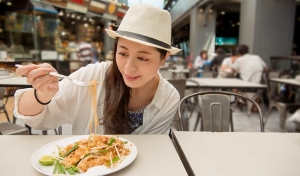
Usually Safe
- Food that is thoroughly cooked and served hot
- Freshly boiled food and baked goods
- Food from factory-sealed packages
- Pasteurized dairy products
- Fruits and vegetables you have peeled yourself or washed in clean water
- Hard-cooked eggs
- Bottled/sealed/carbonated drinks
- Coffee or tea made with boiled water
Can Be Risky
- Room temperature food
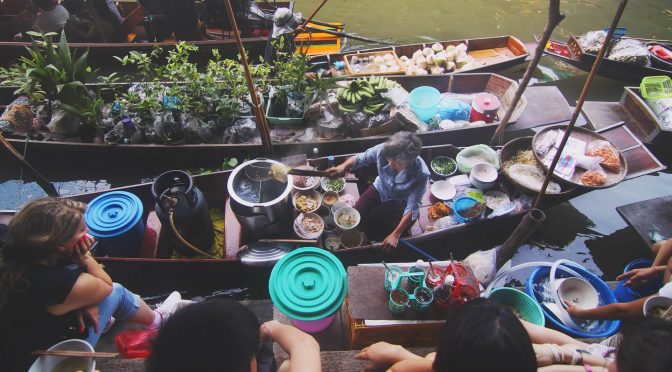
- Street food
- Raw or undercooked meat, fish, and eggs
- Unwashed fruits and vegetables
- Unpasteurized dairy products
- Flavored ice products
- Tap water (including ice)
- Salads
Watching The Water Quality
Water quality varies from country to country, but it is always safer to avoid tap water when visiting developing countries. Use bottled, carbonated, or boiled water as is or for your tea and coffee. If only tap water is available, it can be made safe by boiling it briefly or by using chemical disinfectants recommended by your doctor or pharmacist.
Avoid ice in drinks; it was likely made with tap water. There is not enough alcohol in mixed drinks to kill bacteria found in contaminated ice. In some countries brushing your teeth with tap water can also make you ill. Instead, brush with bottled water. Some germs can also make people sick when inhaled through steam and vapor, so the elderly and those with weakened immune systems should avoid showers and hot tubs.