

| Travel Tips |
|---|
| Food and Water |
| Insects |
| High Altitudes |
| Injuries |
| Suggested Medical Kit |
| Packing Checklist |
| Helpful Resources |
| Zika Virus Advisory |
Schedule An Appointment
Protection Against Insect Bites
 Traveling to tropical climates usually means coming into contact with a variety of insects capable of transmitting infectious diseases. The most well-known culprit is the mosquito, which may transmit yellow fever, malaria, Japanese encephalitis and dengue fever, as well as other diseases.
If you’re traveling to Central or South America, Southeast Asia or Africa, you’ll need to secure proper vaccinations and/or medication before leaving. When you schedule a consultation with Dr. Kapoor at Traveler’s Immunization Center, you are also guaranteed to receive expert advice and specific precautions tailored to your trip.
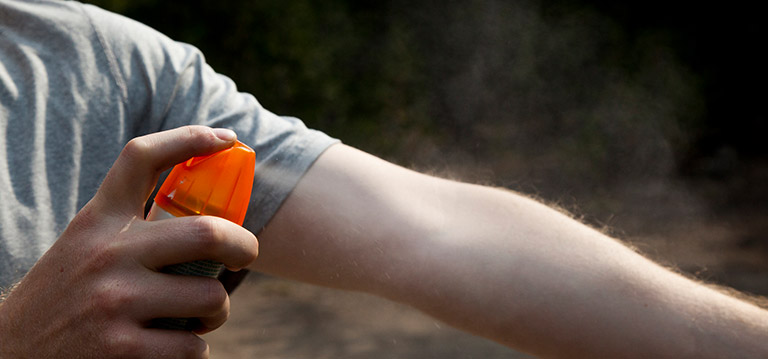
Your first line of protection is reliable insect repellant that contains at least 20% DEET to protect against mosquito and tick bites. Don’t forget to use your insect repellant according to its directions, and reapply as instructed. Reapplication is also necessary after swimming or excessive sweating. Products with higher percentages of the active ingredient provide longer duration of protection.

When applying both sunscreen and insect repellant, apply sunscreen first. Apply insect repellant once the sunscreen is dry.
Wearing protective clothing, such as long-sleeved shirts and pants, should be prioritized. Sleep in areas that are screened against bugs. If your sleeping area is exposed to the outdoors, consider using a bed net. Some bed nets are permethrin-treated and provide enhanced protection.